

Introduction: Why a Supplement Guide Matters for Desk Life
Sitting for long hours drains your energy, focus, and even your long-term health. While proper nutrition and hydration form the foundation, supplements can play a key role in filling nutritional gaps and boosting performance. This Supplement Guide is designed specifically for desk professionals who want to stay sharp, energized, and healthy while working.
Supplements are not a replacement for whole foods, but when used wisely they offer measurable support. Below we outline seven core supplements that consistently appear in research and are practical for busy office lifestyles.
1. Multivitamins: The Foundation of Every Supplement Guide
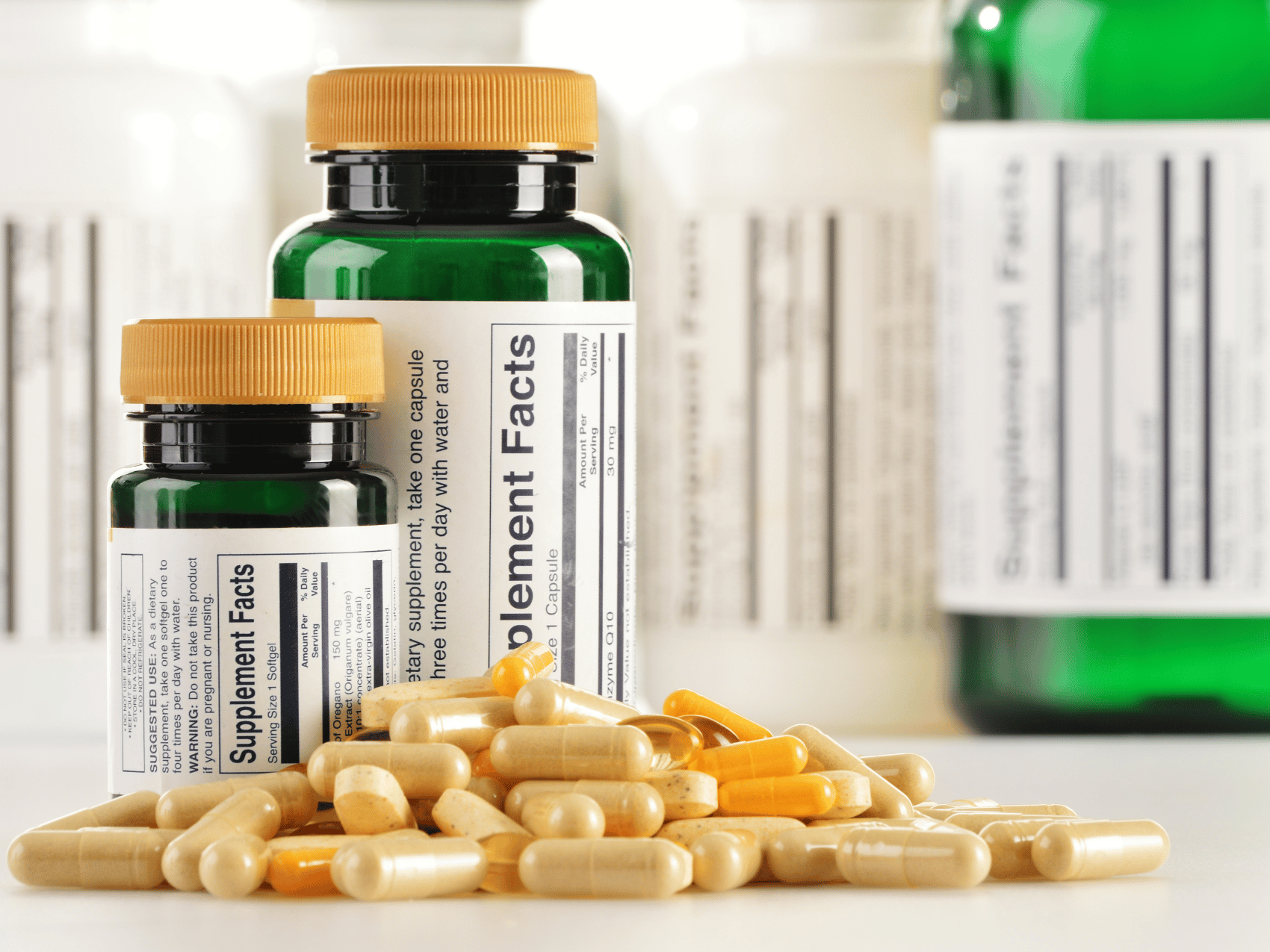
Most office workers don’t get enough essential nutrients from food alone. A high-quality multivitamin acts as a safety net, ensuring your body receives the vitamins and minerals it needs daily. Benefits often include improved energy, immune support, and fewer day-to-day deficiencies.
Pro tip: Look for formulas with B-complex, vitamin D, and magnesium. These are particularly helpful for desk workers who may lack sunlight and experience stress.
2. Omega-3 Fatty Acids for Brain Power and Energy
Your brain is nearly 60% fat, and omega-3 fatty acids play a huge role in its performance. Adding fish oil or algae-based omega-3 supplements to your routine enhances focus and mood, supports cardiovascular health, and eases joint stiffness from sitting.
Research from the Harvard T.H. Chan School of Public Health highlights omega-3’s role in cognitive and heart health — a great match for professionals who need mental clarity.
3. Vitamin D for Desk Workers
If you spend most of your day indoors, chances are you’re not getting enough sunlight. Vitamin D deficiency is common and can contribute to low mood and fatigue. Supplementing vitamin D supports bone health, immune function, and general energy levels.
Note: Have your levels checked; many physicians recommend doses tailored to blood work rather than guessing.
4. Magnesium for Stress Relief and Sleep
Magnesium supports muscle function, helps regulate sleep, and calms the nervous system. For desk workers who battle tight shoulders and restless nights, magnesium taken in the evening can improve relaxation and recovery — vital for consistent daytime energy.
5. Probiotics for Gut Health and Immunity
Your gut microbiome is central to digestion, immunity, and even mood. Desk habits like irregular meals and processed snacks can disrupt gut balance. A targeted probiotic can support digestion, reduce bloating, and strengthen immune resilience — especially helpful during busy seasons.
6. Adaptogens for Stress and Energy (Ashwagandha, Rhodiola)
Adaptogens are herbs that help the body adapt to stress. Ashwagandha and Rhodiola are two well-researched options that can reduce anxiety, blunt the effects of chronic stress, and support sustained focus — ideal for high-pressure workdays.
7. Protein Powder for Sustained Energy
Skipping meals is common when work gets busy. A quality protein powder is a convenient, nutritious option to keep energy steady, support muscle maintenance, and help recovery if you exercise. Whey, casein, or plant-based powders can be selected based on dietary preferences.
Practical Timing Tips from the Supplement Guide
To make supplements more effective, timing matters: take multivitamins with breakfast (fat-soluble vitamins absorb better with food), vitamin D with a meal that contains fat, magnesium at night for sleep support, and protein shakes post-workout or mid-afternoon to avoid energy dips. Adaptogens are usually taken in the morning or early afternoon, while probiotics are best taken with food as directed.
How to Use This Supplement Guide Safely
-
Consult a healthcare professional before starting new supplements.
-
Avoid mega-doses unless prescribed.
-
Pair supplements with balanced nutrition, exercise, and hydration for best results.
Internal & External Resources
Supplements work even better when combined with proper hydration. For more on that, see our post on Hydration and Energy. For authoritative guidance on supplement safety, visit the NIH Office of Dietary Supplements.
Conclusion: Build Your Desk-Friendly Supplement Routine
This Supplement Guide gives you seven practical supplements to consider for improved focus, energy, and longevity. Remember: supplements amplify a healthy lifestyle — they don’t replace it. Start with one or two based on your needs, track how you feel, and consult a professional to personalize your plan.